

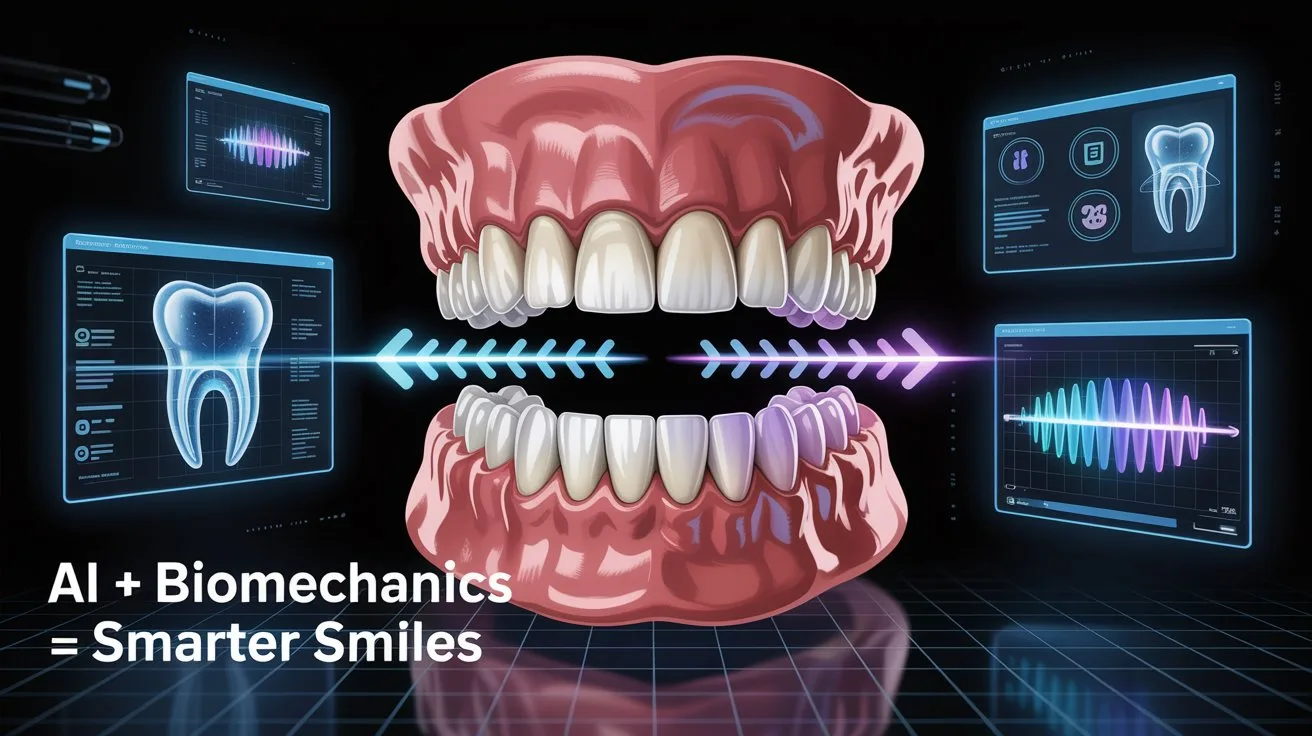
In the digital dentistry landscape, true value resides in actionable, repeatable, and quantifiable protocols. This specialized curriculum is engineered to bridge the gap between cutting-edge research and day-to-day clinical best practices, empowering practitioners to secure treatment outcomes with high clinical certainty.
From Theory to Practice: Mastering Novel Mechanics with Emphasis on Clinical Control
This module is designed to transform foundational knowledge into automated clinical responses. The focus is on mechanics that have the highest impact on three-dimensional tooth control and possess broad acceptance within reputable scientific communities.
Advanced Non-Extraction Mechanics: Focus on the design and execution of optimal force/moment systems using Low-Friction Bracketing (LFB) and novel resilient archwires (e.g., Nickel-Titanium mechanics). Practical training on how to calibrate these systems to achieve true Bodily Movement rather than unwanted tipping.
Practical Application of Skeletal Anchorage (TADs): Moving beyond mere placement, we teach precise insertion techniques in the clinical setting (using 3D-printed guides) and how to design Three-Piece Force Systems for simultaneous Sagittal, Vertical, and Torque control. Emphasis on post-insertion radiographic protocols for confirming TAD positioning.
Digital Technology as a Clinical Ally: Integrating CBCT data for routine assessment of bone density and proximity to critical structures, directly aiding in the optimal selection of anchorage sites. Practice sessions utilizing industry-standard software for Virtual Treatment Planning (VTO) optimization based on patient-specific data.
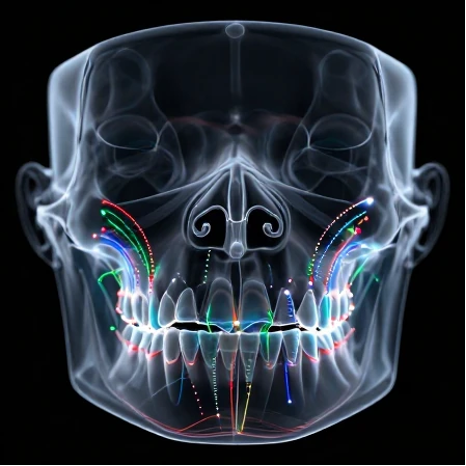
Treatment Optimization and Complexity Management: Actionable Strategies for Experienced Specialists
Experienced specialists face challenges demanding rapid, evidence-based decision-making. This segment focuses on proactive risk management and leveraging tools that are currently available to accelerate and guarantee treatment outcomes.
Risk Management and Periodontal Health Preservation: Training in Low-Force Delivery protocols specifically in areas of thin bone anatomy (e.g., posterior molars). Introduction to Acceptable Clinical Risk Criteria (ACRC) for root resorption and immediate therapeutic interventions (such as the application of Bioactive Agents at the root surface) should complications arise.
Accelerated Tooth Movement (AOM) Protocols in Practice: Focusing on modalities widely accepted in current practice:
Corticotomy/Piezo-Assisted Treatments: Instruction on Surgical Guides derived from CBCT for partner surgeons, and understanding how to apply forces immediately post-procedure to maximize effect.
Utilization of Medical Stimulators (e.g., Low-Intensity Pulsed Ultrasound – LIPUS): Critical review of literature and establishing dosing and scheduling guidelines for the use of these devices within the patient’s clinic visits.
AI in the Refinement Phase: Practical application of Artificial Intelligence for detecting subtle errors in the final alignment (Mid-Course Correction) that may escape the naked eye. Focus on using Scan Registration Analysis software for minute adjustments of aligners or brackets, directly reducing the number of required final refinement appointments.
Commitment to Practical Execution
We ensure every technique taught is ready for immediate implementation in your practice by providing Step-by-Step Checklists and comprehensive Case Studies detailing treatment from inception through retention. This training guarantees your knowledge is not just current, but provides the practical power to resolve your patients’ most challenging malocclusions.
Sign up to receive our latest updates
Get in touch
Call us directly?
+1 682 999 9802
Address:
10027 Fire Ridge Dr, Frisco, TX 75033
Email:
contact@edujrn.com